- Suite 8.07, 365 Little Collins Street, Melbourne VIC 3000
- info@emigratelawyers.com

Your Migration, Our Expertise - Emigrate with Ease
Menu
Menu
Protection Visa
Welcome to Emigrate Lawyers: Your Path to Safety and Security
Expert Guidance for Your Protection Visas
At Emigrate Lawyers, we understand the complexities and emotional challenges associated with seeking asylum in Australia. Our mission is to provide compassionate, expert legal support to individuals escaping persecution, ensuring a seamless journey towards a safer, more secure future. Specialising in Protection Visas (subclass 866), our dedicated team is here to guide you through every step of the process.

What are Protection Visas?
Protection visas, as defined in section 35A of the Migration Act 1958 (Cth) (the Act), encompass both temporary and permanent visas, as well as classes of visas prescribed by the Migration Regulations 1994 (Cth) (the Regulations). These visas are granted to individuals who satisfy the Australian government that they meet specific criteria, ensuring that Australia has protection obligations towards them. This typically applies to individuals recognized as refugees or those facing a real risk of significant harm, often referred to as complementary protection.
Understanding the Common Criteria
The common criteria for all protection visa classes are set out in section 36 of the Act. These criteria are unique as they are prescribed within the Act itself, unlike most other visas where the criteria are defined by the Regulations. Key aspects include:
Refugee Status: Applicants must demonstrate that they are refugees, meaning they are outside their home country and cannot return due to a well-founded fear of persecution based on race, religion, nationality, membership of a particular social group, or political opinion.
Complementary Protection: This applies when there are substantial grounds for believing that the applicant would face significant harm if returned to their country of origin. This includes risks such as torture, inhuman or degrading treatment, or punishment.
Types of Protection Visas
Permanent Protection Visas
Eligibility: Granted to individuals who meet the refugee or complementary protection criteria.
Benefits: Permanent residency, including work and study rights, access to social security benefits, and eligibility for family reunification.
Temporary Protection Visas
Eligibility: Designed for individuals who meet protection criteria but are only granted temporary stay.
Benefits: Limited duration stay with restricted access to certain social security benefits and services.
Eligibility Criteria
Eligibility for protection visas depends on where, when, and how an individual arrived in Australia. It also considers the specific criteria outlined in both the Act and the Regulations. Key factors include:
Date of Application: The applicable legal definitions and criteria can vary depending on when the application was lodged.
Arrival Method: Different types of protection visas may apply based on whether the individual arrived legally or otherwise.
Application Process and Considerations
Applying for a protection visa involves demonstrating eligibility based on the outlined criteria. This includes providing evidence of persecution or significant harm and showing that effective protection is not available in the applicant’s home country.
Exclusions and Additional Considerations
Certain individuals may be excluded from receiving protection visas, even if they meet the basic criteria. Exclusions can apply to those considered a security risk, individuals convicted of serious crimes, or those who have committed acts contrary to the principles of the United Nations.
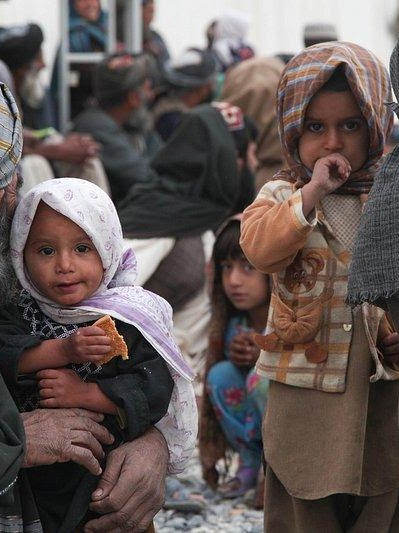
26,500 family and humanitarian visas for Afghans
The Australian Government has allocated 26,500 dedicated visa places for Afghans to migrate to Australia under the offshore Humanitarian Program through to 2026.
Alongside priorities for the Humanitarian Program, including split families and those with close ties to Australia, priority for these places will be given to people outside Afghanistan who are:
certified former Locally Engaged Employees (LEE) and their immediate family members (spouses and children under 18)
immediate family members (spouse, children under 18) of holders of Refugee and Humanitarian (Class XB) visas
refugees who have been referred by the United Nations High Commissioner for Refugees (UNHCR) to Australia for resettlement
women and girls, ethnic minorities, LGBTQI+ and other identified minority groups