- Suite 8.07, 365 Little Collins Street, Melbourne VIC 3000
- info@emigratelawyers.com

Your Migration, Our Expertise - Emigrate with Ease
Menu
Menu
Subclass 300
Emigrate Lawyers is your trusted guide in navigating the path to love and partnership through the Prospective Marriage Visa (Subclass 300) application process. Our dedicated team of immigration lawyers understands the significance of uniting couples and is committed to providing you with expert legal guidance every step of the way.
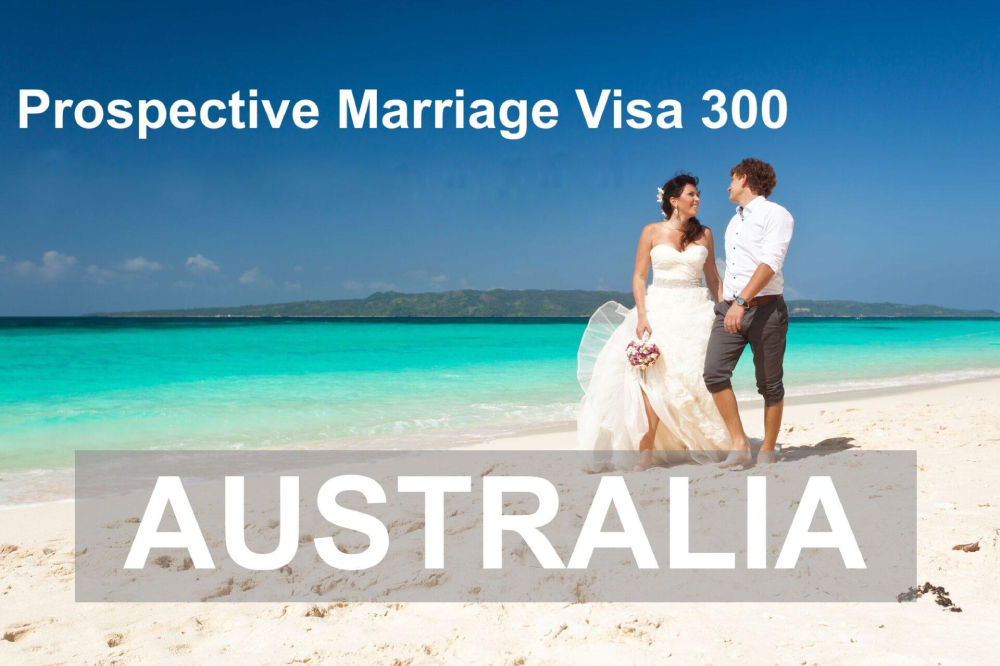
Dreaming of saying “I do” on Australian shores? The Prospective Marriage Visa (Subclass 300) is your ticket to making that dream a reality. But before you dive in, here’s what you need to know –
FREQUENTLY ASKED QUESTIONS - SUBCLASS 300
The Prospective Marriage Visa (Subclass 300) is designed for individuals who are engaged to be married to an Australian citizen, permanent resident, or eligible New Zealand citizen. This visa allows you to enter Australia and marry your intended spouse, after which you can apply for a Partner Visa to remain permanently.
You can apply if you are outside Australia, engaged to an Australian citizen, permanent resident, or eligible New Zealand citizen, and intend to marry within nine months of visa grant.
You must be sponsored by your fiancé(e) who is an Australian citizen, permanent resident, or eligible New Zealand citizen.
You must genuinely intend to marry your fiancé(e) and live together as spouses.
You must meet health and character requirements.
Once granted, the visa is valid for nine to fifteen months from the date of grant. The marriage must occur during the validity period of your visa i.e. within nine to 15 months of the visa grant date. It may take place either in Australia or overseas.
Yes, you can work in Australia once you have entered on your Subclass 300 visa and before you marry your fiancé(e). After marriage, you may be eligible for other visa options that allow work.
If your relationship ends before you marry your fiancé(e), the Subclass 300 visa will no longer be valid. You will need to leave Australia unless you apply for another visa.
You can include members of the family unit in your application.
when you lodge your visa application, or
add a dependent child after you lodge your application but before we decide on your temporary visa.
Family members who apply with you must:
be members of the family unit
meet our health requirement
meet our character requirement
be outside Australia.
Family members who are not coming to Australia might also have to meet Department's health and character requirement.
Evidence typically includes proof of your engagement, photographs together, communication records, and joint activities or trips.
However, this is not an exhaustive list. Every application is decided on case by case basis, we recommend you consult with Emigrate Lawyers before lodging your visa application.
Yes, after you marry your fiancé(e), you can apply for a Partner visa (Subclass 820/801) to remain permanently in Australia.
Processing times can vary. It's important to apply well in advance of your intended marriage date.
Next Steps - Partner Visa
Once you have entered Australia and your marriage has taken place, you will be eligible to apply for a Partner visa. This application must be lodged before your Prospective Marriage visa expires. The main requirements for a Partner visa are that:
you and your spouse are in a mutually exclusive relationship
your relationship is genuine and continuing
you live together as a couple, or live apart only on a temporary basis
Provided you are able to meet the relevant criteria, you will be granted a temporary Partner visa, which is valid for a ‘stand-down period’ of approximately two years from the date of the application’s lodgement. At the end of this two-year period, you will be eligible for a permanent Partner visa, provided your relationship continues to meet the requirements referred to above.
PLEASE NOTE: We estimate that it may take several weeks to prepare and lodge your application, with the time taken largely dependent on how promptly you (and your sponsor, if applicable) provide us with the necessary supporting information and documents.
The time that it takes the Department to process your application is dependent upon its processing time service standards, and may also vary due to a number of other factors, including the complexity of your case, perceived risk factors and processing priorities. Please contact us for current information regarding likely processing timeframes for this type of application.